
Solutions

RPM, CCM, and PCM for medical practices

Remote patient monitoring, chronic care management, and principal care management — run through TOCA AI, cellular devices, and an RN-led care team. Full service, software only (free up to 100 patients), or software and devices. Built for Nephrology, Cardiology, Primary Care, and Pulmonology.

RPM

Remote Patient Monitoring

CPT 99453 · 99454 · 99457 · 99458

Cellular-connected devices transmit patient vitals so your team can intervene between visits — not after a crisis.

TOCA partners with the practice to enroll eligible patients, ship FDA-cleared cellular devices, and review readings against condition-specific thresholds. Care managers contact patients when values fall outside expected ranges and escalate a summarized picture to the physician when clinical judgment is needed.

CCM

Chronic Care Management

CPT 99490 · 99491 · 99487 · 99489

Structured monthly care coordination for Medicare patients living with two or more chronic conditions.

A dedicated care manager builds a personalized plan, reviews medications, checks in each month, and coordinates across specialists and pharmacies. The work is documented to support CPT billing without adding administrative load to the practice.

PCM

Principal Care Management

CPT 99424 · 99425 · 99426 · 99427

Intensive management of a single high-risk chronic condition — often the right fit for specialty practices.

Designed for Nephrology, Cardiology, and other specialists who own one dominant condition. PCM is focused, high-touch, and built around the protocols your specialty already trusts.

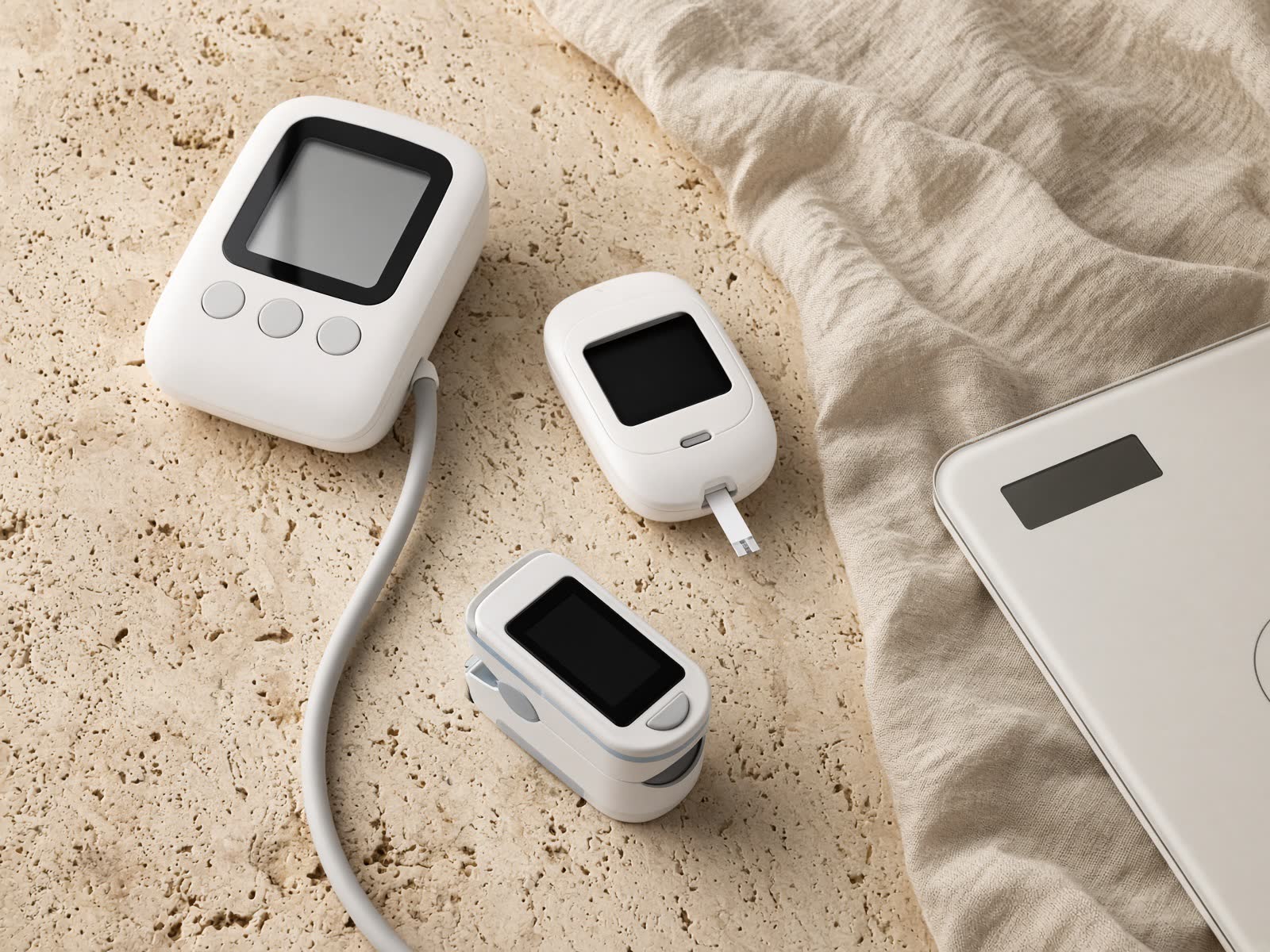
Cellular home monitoring devices arranged on stone and linen

Devices

FDA-cleared cellular devices. No Wi-Fi. No apps. No pairing.

Blood pressure, glucose, weight, pulse oximetry — shipped directly to the home, cellular from the first reading. We match devices to the conditions you manage, not a one-size kit.

Care management

An RN-led team that extends your practice, without replacing it.

  • Monthly check-ins

    A coordinator speaks with each patient about progress, medications, and barriers — personalized, not scripted volume.

  • Medication review

    Adherence and interactions are flagged; adjustments escalate to the prescribing physician.

  • Care plans

    Built from the patient’s conditions and goals, then kept current as readings change.

  • Coordination

    Across providers, specialists, and pharmacies so no one falls through the seam between visits.

TOCA care managers on headset reviewing patients

Engagement

Full service, software only, or software and devices.

Most practices

Full service

TOCA enrolls patients, ships cellular devices, runs monthly care, and produces audit-ready documentation. The practice writes the order and bills insurance.

Free up to 100 patients

Software only

Run TOCA AI with your own staff — free for panels of up to 100 patients. Your team owns outreach; we provide the clinical intelligence layer, documentation, and CPT-ready notes.

In-house care teams

Software and devices

TOCA AI plus cellular devices shipped to the patient. Your staff runs outreach. We train billers and medical assistants so CPT capture and device logistics stay clean.

Answered directly.

What is the difference between RPM, CCM, and PCM?

Remote patient monitoring uses a connected device and monthly review of the readings. Chronic care management is monthly non-face-to-face care for patients with two or more chronic conditions. Principal care management is the same idea for one high-risk condition the practice owns. RPM can be billed with CCM or PCM when the work is distinct. CCM and PCM are not billed together for the same patient in the same month.

Who bills Medicare for these programs?

The practice bills. TOCA documents consent, device days, time, and the care plan. TOCA invoices $75 per enrolled patient per month and credits charges that are not reimbursed.

How do practices work with TOCA?

Full service includes software, cellular devices, and an RN-led care team. Software only is TOCA AI, free for up to 100 patients, with the practice’s own staff. Software and devices adds the cellular hardware when the practice already has a care team.

Software, devices, care — or a precise mix of the three.

Modular by design. Custom EHR integration — Epic, Cerner, or the system you already run.

Talk to Our Team